
Search
-
April 3, 2025
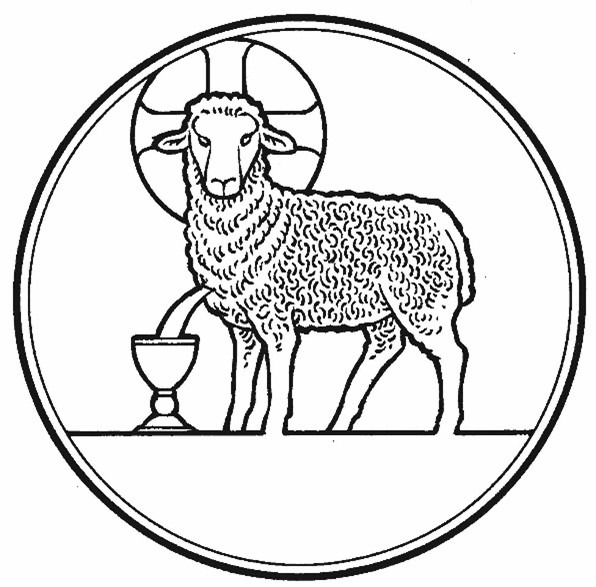 From the General Instruction of the Roman Missal (GIRM) #83: The Priest breaks the Eucharistic Bread, with the assistance, if the case requires, of the Deacon or a concelebrant. The gesture of breaking bread done by Christ at the Last Supper, which in apostolic times gave the entire Eucharistic Action its name, signifies that the many faithful are made one body(1 Cor 10:17) by receiving Communion from the one Bread of Life, which is Christ, who for the salvation of the world died and rose again. The fraction or breaking of bread is begun after the sign of peace and is carried out with proper reverence and should not be unnecessarily prolonged or accorded exaggerated importance. This rite is reserved to the Priest and the Deacon. The Priest breaks the Bread and puts a piece of the host into the chalice to signify the unity of the Body and Blood of the Lord in the work of salvation, namely, of the Body of Jesus Christ, living and glorious.
The supplication Agnus Dei (Lamb of God) is usually sung by the choir or cantor with the congregation replying or at least recited aloud. This invocation accompanies the fraction of the bread and, for this reason, may be repeated as many times as necessary until the rite has been completed. The final time it concludes with the words grant us peace.During the Sign of Peace, musicians need to pay attention to the altar and watch the priest’s actions. Once the priest begins to break the bread, the Lamb of God needs to begin, to accompany the Fraction Rite. The Lamb of Godaccompanies the breaking of the bread. Musicians must not become “too busy” giving each other the Sign of Peace and forget about starting the next piece of sung prayer on time to accompany the Fraction Rite.